
We’ve seen the same scenario at River City Chiropractic for three decades. A patient walks in with chronic low back pain that radiates into one or both legs. They’ve had imaging, usually an MRI, that shows a herniated disc, degenerative disc disease, or some combination. They’ve been through anti-inflammatories. Maybe a round or two of epidural steroid injections. Their primary care doctor has mentioned the word surgery. And they’re sitting in our consultation room because somebody told them there’s another option before going under the knife.
That other option, for the right patient, is non-surgical spinal decompression.
This page walks you through what spinal decompression actually does, who responds to it (and who does not), and how we determine whether you are a candidate. Before any treatment starts, we measure. We test. We do not guess.
A Direct Word From Dr. Moger
If you're considering non-surgical spinal decompression, this 2-minute video explains how we determine whether you are a candidate. We do not want to be another failure on your list of treatments tried.
$139 New Patient Special
Consultation, Exam, and MRI or X-ray Imaging Review with the Doctor
Not sure if decompression is right for you? Start here. The doctor will review your imaging and your case directly.
How Our Care Plan Works
Certainty
We don’t recommend decompression to anyone we haven’t measured first. Every qualifying candidate gets imaging. That means same-day digital X-ray on-site, and/or MRI imaging that can be scheduled within 48 hours through our Sacramento imaging network. We require 0-gap imaging, providing more detail and clarity to accurately diagnose disc problems.
We test. We do not guess.
Clarity
Knowing your body inside and out is the first step in your pathway to relief and experiencing the life you were designed to live. Understanding your doctors tests and recommendations are paramount to reaching your personal health goals. At River City Chiropractic, we take the time to guide you each step of the way!
Confidence
We have been helping patients relieve pain with proper spinal hygiene in Citrus Heights for over 30 years. RCC has been voted Best of Citrus Heights for 19 consecutive years and running. Our DRX9000 platform is the top-of-the-line decompression equipment on the market, paired with Class 4 cool laser, neuromuscular rehabilitation, and a structured home-care program. When the case is appropriate and the patient completes the protocol, the result can be life changing.
28
Minute Sessions
20
Visits per Course
3
DRX9000 Units
30
Years of Practice
19×
Best of Citrus Heights
What is Spinal Decompression Therapy?
Spinal decompression therapy uses a computer-controlled table to create negative pressure inside an injured disc. That negative pressure works like a vacuum effect. It draws nutrients, oxygen, and fluid back into the disc, which is how the disc rehydrates and how bulging tissue can retract back into place.
The discs between your vertebrae are avascular. They don’t have their own blood supply. They get nutrients through diffusion, driven by the pressure changes that happen when you move, sit, stand, and rest. When a disc is injured, degenerated, or bulging, that diffusion gradient breaks down. The disc dries out. The vertebrae get closer together. The nerves passing through the spinal column get pinched. Pain follows.
Published research shows the gel-like center of an injured disc can be decompressed to pressures below −100 mmHg. That negative pressure is what allows a bulging disc to retract, what rehydrates a degenerated disc, and what reduces the mechanical compression on nerve roots traveling through the spinal column.
How decompression differs from traction
Patients are positioned on a decompression table that is controlled by a computer program. The table delivers a targeted distraction force to specific areas of the spine, followed by a relaxation phase. That cycle is what generates the vacuum effect inside the disc.
The key difference between regular traction and spinal decompression therapy is the computer, and how the body reacts. Regular traction simply pulls on the spine at a pre-set rate and force, which can trigger the body’s protective reflexes. The muscles surrounding the spine clench reflexively and fight the pull. The decompression system creates variations in the pull pattern, adapts to the body’s response, and keeps the patient relaxed. The intent is a treatment the body accepts rather than resists.
At River City Chiropractic, our decompression protocol uses the Excite Medical DRX9000. It is the top-of-the-line non-surgical spinal decompression system on the market. We run three units in our office: one dedicated lumbar table plus one dual lumbar/cervical table with separate computers for each region. That capacity lets us schedule lumbar and cervical patients on the same day without competing for table time.
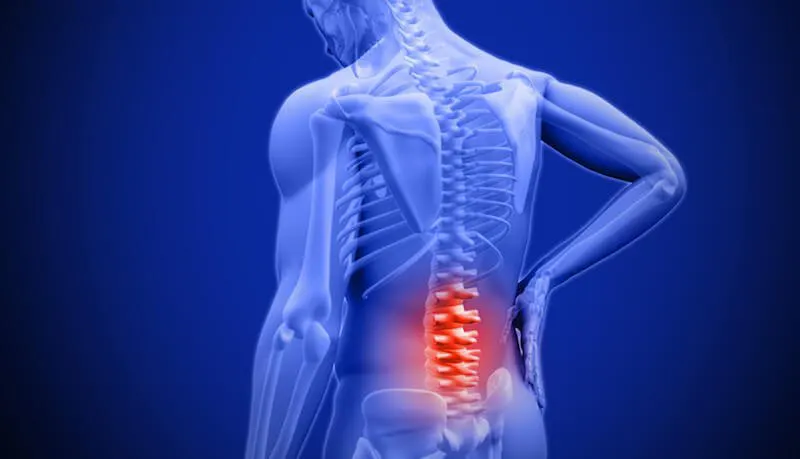
How Spinal Decompression Works
Watch the DRX9000 in Action
The DRX9000 delivers targeted, computer-controlled distraction force followed by a relaxation phase. This is the platform RCC uses.
What to Expect at Your First Visit
Rachel, our decompression specialist, walks you through the DRX9000 setup, the harness positioning, and the comfort features built into every session. About 3 minutes.
What a Course of Care Looks Like at RCC
Every patient’s path is calibrated to their specific case. The protocol generally moves through four phases.
STEP 1
🔍
Diagnostic Evaluation
Same-day on-site digital X-ray, plus MRI within 48 hours through our Sacramento imaging network at $450 cash. We require 0-gap imaging plus a full neurological screen before we recommend anything.
STEP 2
⏱️
Sessions on the DRX9000
Each session runs 28 minutes, typically 2 to 4 times per week for 5 to 12 weeks. About 20 visits total. The pull is noticeable but not painful. Many patients fall asleep on the table.
STEP 3
💪
Adjunctive Care
Class 4 cool laser or ultrasound, manual therapy, Spine Force neuromuscular rehabilitation, an at-home Axiom distractor belt, nutrition support, and a structured exercise program.
STEP 4
📊
Re-Evaluation
We re-check at the 2-week mark to confirm we are getting functional improvement, not just lowered pain. We re-check again before the course ends to document the total result.
Conditions we treat with decompression at RCC
- Single herniated disc (lumbar)
- Multiple herniated discs
- Extruded herniations (many clinics refer this out; we take appropriate cases)
- Degenerative disc disease (lumbar and cervical)
- Sciatica with disc involvement
- Cervical disc herniation
- Cervical degenerative disc disease
- Radiculopathy
- Post-surgical persistent back pain (“Failed Back Syndrome”)
- Spondylolisthesis (case-by-case, typically Grade I)
Treated at RCC with chiropractic care, but NOT decompression
- Facet syndrome
- Spinal stenosis
These two diagnoses sometimes appear in decompression research, but in our clinical experience they respond better to regular chiropractic care than to time on the decompression table. If you have one of these conditions, our team can still help. The path is just different.
Who Responds to Decompression (And Who Doesn’t)
This is the question that matters more than the mechanism, and it’s the one we’d rather answer with your imaging than with someone else’s average.
Here’s the honest state of the research. Published pilot studies and retrospective reviews by physicians affiliated with several academic medical centers have reported pain improvement with non-surgical decompression. Those studies were small, uncontrolled, and in several cases funded by the device manufacturer. The one randomized controlled trial, Koçak and colleagues in 2017, compared the DRX9000 against a conventional motorized traction table across 48 patients and found decompression was not superior on pain, function, depression, or quality of life. A 2013 Cochrane review of 32 trials and 2,762 participants reached a similarly restrained conclusion about traction generally.
We’re telling you that on purpose. Every decompression clinic in Sacramento advertises a success percentage, and most of them are quoting the same manufacturer’s brochure. We won’t, because we can’t substantiate one for this equipment, and because a number averaged across someone else’s patients was never going to tell you anything useful about your disc.
What we can tell you is what thirty years of examining spines has taught us about who responds.
Imaging changes the prediction more than any average does. A contained disc herniation and an extruded one behave differently under decompression. When disc material has broken through the outer ring and migrated into the canal, the mechanical work decompression does inside the disc has less leverage on the problem. That’s not a failure of the therapy. It’s a structural distinction we can identify on your images before you spend a dollar on care.
Prior back surgery is not automatic disqualification. Patients arrive having been told nothing further can be done. Sometimes that’s accurate. Often it isn’t, and post-surgical scar tissue doesn’t rule out a trial of care by itself. It’s an examination question, not a paperwork question.
Some diagnoses belong on the table and some don’t. We treat facet syndrome and spinal stenosis with chiropractic care rather than time on the decompression unit. Both respond to our broader protocol. Decompression is one tool in this practice, not the right tool for every disc-adjacent diagnosis, and we’ll tell you which one you need.
We will tell you no. If your examination and imaging suggest decompression isn’t the answer for you, that’s what you’ll hear. A clinic that accepts every candidate isn’t screening anyone. Our willingness to decline your case is the only outcome guarantee that means anything.
Hear From Our Patients
Five RCC decompression patients share what life looked like before treatment and what changed afterward. The 4.8-star Google reviews below are the short version. This is the long version.




Who is the right person for decompression therapy at RCC, and who is not.
We are direct about both, because both matter.
You may be a candidate if you:
- Are 18 years or older
- Have pain at 4 or higher on a 10-point scale (the patients who get the most out of decompression are typically the ones in real, daily pain, not occasional discomfort)
- Have been told you might be a surgical candidate due to a lumbar or cervical disc issue
- Have imaging-confirmed disc herniation, bulge, degenerative disc disease, sciatica with disc involvement, or radiculopathy
- Have had a previous spinal surgery and the pain has returned (“Failed Back Syndrome”). Post-surgical patients are welcome at RCC. Many clinics will not take them. We have decades of experience with these cases.
You are not a candidate if you have:
- An active pregnancy
- An abdominal aortic aneurysm
- Severe osteoporosis (DEXA T-Score of -2.5 or lower)
- A recent spinal fracture (within the past 6 months)
- Fusion hardware in the area we’d be treating (case-by-case. Hardware in the low back may still allow cervical treatment, and the other way around.)
- Active cancer treatment. Chemotherapy and radiation can lower bone density. We require blood work clearance before proceeding.
- Thoracic spine pain as your primary complaint. Decompression at RCC is for lumbar (low back) and cervical (neck), not the thoracic region.
- Severe spondylolisthesis (greater than 50% slip)
- Ankylosing spondylitis or extensive bony fusion of the spine
The diagnostic evaluation identifies which category you fall into before any treatment starts. If decompression isn’t right for your specific condition, we will tell you that directly and recommend the path that does fit your case.
What Separates Our Decompression From a Chain Clinic
Spinal decompression is offered at a lot of clinics now. Some of those offerings are excellent. Some are not. Here is what is different about ours.
🔬
Diagnostic Depth
Every candidate gets imaging before treatment. Same-day digital X-ray on-site, and MRI within 48 hours at $450 cash. We require 0-gap imaging so disc problems don’t get missed.
⚙️
Top-Of-The-Line Equipment
Three Excite Medical DRX9000 units brought into the practice in 2020. One dedicated lumbar table plus one dual lumbar/cervical table. We can deliver the protocol the way the research shows it should be delivered.
❤️
Integrated Care
Class 4 cool laser, manual therapy, neuromuscular rehabilitation, Spine Force training, at-home Axiom belt, nutritional support, and a structured exercise program. Not just decompression. The full protocol.
🏆
30 Years of Conservative Care
Voted Best of Citrus Heights 19 years and running. In 30 years of practice, we can count on one hand the number of patients we have referred out for spinal surgery.
When Surgery Looked Like the Only Option
Many of the patients in this video came to us after being told surgery was the next step. Several had already had one or more spinal surgeries before they found us. These are their words, not ours.
Check Out Our Location Near You
7508 Sunrise Blvd, Citrus Heights, CA 95610
Frequently Asked Questions
How is non-surgical spinal decompression different from regular traction or chiropractic adjustment?
Traditional traction applies a steady, continuous pull to the spine. The body’s protective reflexes fight against that force, which limits how much actual decompression happens inside the disc. Computer-controlled decompression applies the force in cycles, building, holding, releasing, and resting, in a rhythm the body’s reflexes don’t trigger against. The result is genuine intradiscal decompression measured at pressures below −100 mmHg, which is what allows nutrient-rich fluid to flow back into the disc. Chiropractic adjustment is a different tool. It addresses specific joint dysfunction rather than disc pressure. The two approaches are often used together, not as alternatives.
Is spinal decompression painful?
For most patients, no. The pull is noticeable but not painful. Most people describe it as a deep, sustained stretch in the low back. Many find relief on the table and sometimes fall asleep. If a session causes any discomfort during or after treatment, your decompression specialist will continue to adjust treatment protocols designed to meet your individual needs for maximum improvement. We do not want pain on the table. It usually means the parameters need slight adjusting. We modify or stop the protocol immediately if pain is the response.
How many sessions does it take?
A typical course at RCC is 20 visits over 5 to 12 weeks, with 2 to 4 sessions per week depending on the severity of your condition. Each session on the DRX9000 table runs about 28 minutes. The course also includes up to 4 evaluation-and-management office visits (re-exam, exercise training, nutritional consultation, and progress review) folded into the same overall plan. We re-measure at the 2-week mark to confirm we are getting results with function, not just lowered pain, and we re-check again before treatment ends to document the total improvement.
Who is NOT a candidate for spinal decompression?
Several conditions are non-negotiable contraindications. Active pregnancy. Abdominal aortic aneurysm. Severe osteoporosis (DEXA T-Score of -2.5 or lower). Recent spinal fracture within the past 6 months. Fusion hardware in the area to be treated. Active cancer treatment without blood-work clearance. Severe arthritis with extensive bony fusion. Ankylosing spondylitis. Patients with extruded disc herniations and progressive neurological symptoms are typically referred for surgical consultation first. The diagnostic evaluation identifies which category each patient falls into before any treatment starts.
Is spinal decompression covered by insurance?
In California, commercial health insurance does not cover non-surgical spinal decompression. The carriers classify it as an “experimental form of treatment,” and that classification has held even as the supporting research has accumulated. The cost of a course is determined by the severity of your condition, since severity determines how many sessions and adjunctive services are appropriate. To make the protocol accessible regardless of insurance coverage, RCC offers in-house Healthcare Made Affordable payment plans. We walk you through the financial picture in writing at the diagnostic evaluation, before any treatment starts, so you can decide based on full information.
What if I’ve already had back surgery and the pain came back?
Prior back surgery doesn’t automatically rule out decompression. Post-surgical scar tissue changes the picture but it isn’t a disqualification by itself. Patients arrive having been told nothing further can be done, and sometimes that’s accurate, but often it isn’t. It’s an examination question, not a paperwork question. A diagnostic evaluation determines whether you’re a candidate.
Will decompression fix my problem permanently?
Outcomes vary from patient to patient. Decompression rehydrates the disc and reduces nerve root pressure, but whether that result holds long-term depends on what caused the disc to be in that state in the first place. Patients who complete the protocol and then maintain a baseline of structural care (periodic chiropractic adjustments, posture work, appropriate exercise) typically experience the most lasting benefit. Patients who return to the same biomechanical patterns that produced the original injury are more likely to see a return of symptoms.
Can I keep working out, lifting, or playing sports during a course of care?
In general, low-impact activity is encouraged during a decompression course. Gentle walking, swimming, and the specific rehabilitative exercises prescribed as part of the protocol all support the healing process. High-load axial activity, things like heavy lifting, contact sports, and plyometric work, is usually restricted while a disc is in active healing. Reloading the disc during a decompression course can undo the structural change we are working toward. Specific activity guidance is calibrated to your case at the diagnostic evaluation and adjusted as the course progresses.
$139 New Patient Special
Consultation, Exam, and MRI or X-ray Imaging Review with the Doctor
Not sure if decompression is right for you? Start here. The doctor will review your imaging and your case directly.
